
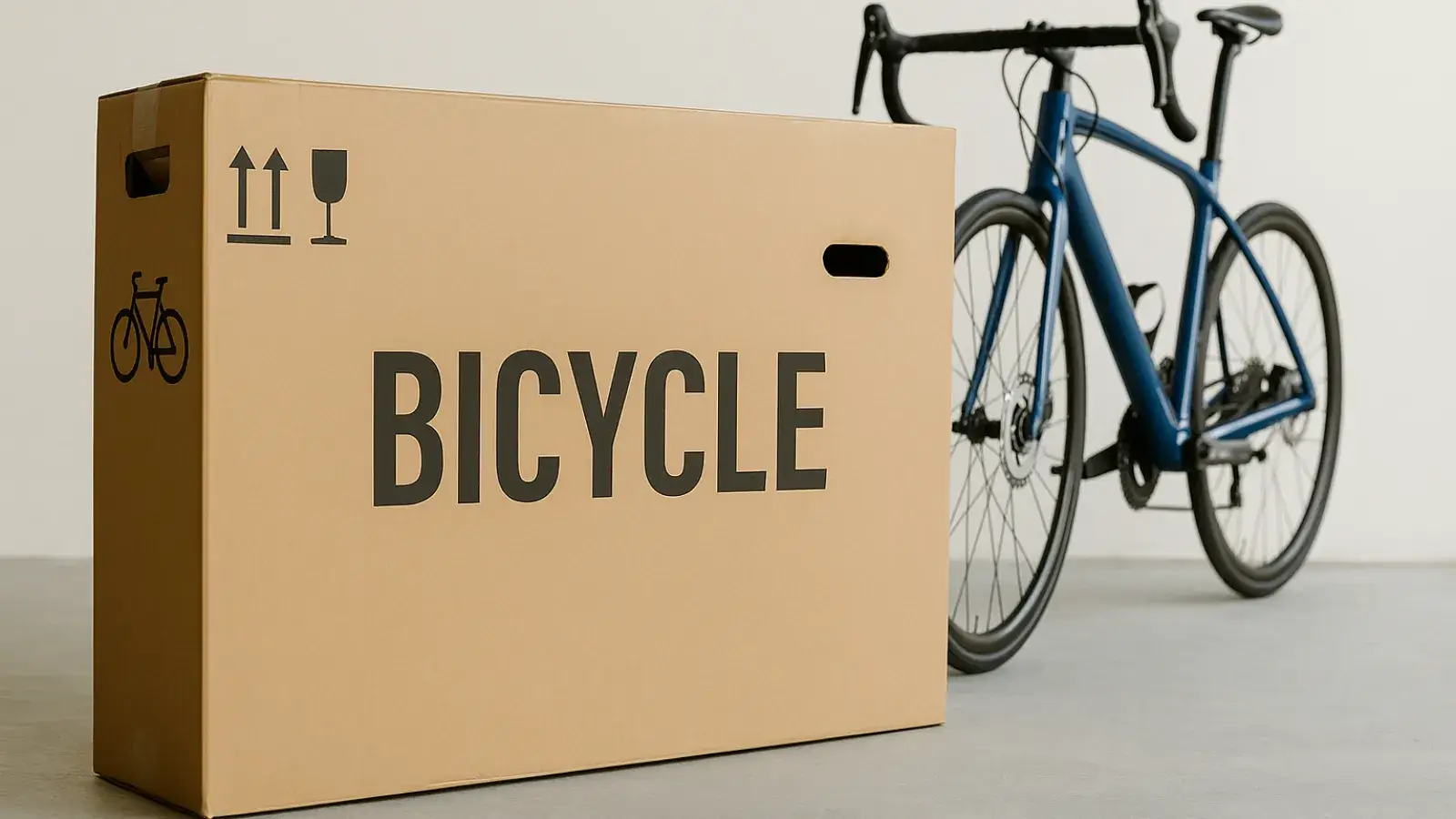
Traveling with a bike can feel overwhelming, especially if it’s your first time taking it on a plane. A cardboard bike box for flying offers cyclists a practical, budget-friendly solution that ensures their bike arrives at its destination safely. Airlines accept these boxes as standard oversized luggage, and with the right packing techniques, they can offer surprising protection at only a fraction of the cost of hard cases.
In this guide, we’ll explore why many riders choose cardboard bike boxes over other travel options, how to prepare and pack your bicycle, and the things you need to know about airline regulations. Whether you’re flying to a race, a holiday cycling trip, or simply relocating with your bike, this comprehensive article will give you confidence to travel smoothly with a cardboard bike box.
Why Choose a Cardboard Bike Box for Flying?
One of the main reasons cyclists consider a cardboard bike box for flying is affordability. Hard-shell cases can run into hundreds of dollars, whereas most bike shops will give you a cardboard box for free or for a small fee. Not only does this save significant money, but it also makes the option accessible to casual travelers who don’t fly with their bike often.
Another benefit is availability. Almost any local bike shop has cardboard boxes from recently shipped bicycles, so finding one is rarely difficult. Once your flight is over, you don’t have to worry about storing or carrying around a bulky case—you can simply recycle the box and pick up a new one when you fly home. This convenience alone makes it a strong choice for international cycle travelers.
2. Preparing Your Bike for the Cardboard Bike Box
Before placing your bike into a cardboard bike box for flying, careful disassembly is required. The process usually involves removing the pedals, wheels, handlebars, and seatpost. While it seems tedious, it’s an essential step to ensure everything fits securely and avoids damage during transit. Most bike boxes are designed for standard road, gravel, or mountain bikes, giving enough room for key parts if packed carefully.
Additionally, you’ll need protective materials to cushion the frame and delicate components. Foam tubing, bubble wrap, pipe insulation, or even old rags can help protect against impacts. It’s also wise to put smaller pieces like skewers, bolts, and pedals into a labeled bag taped securely inside the box. Preparing in this way not only keeps your bike safe but also speeds up reassembly once you’ve landed at your destination.
How to Pack a Cardboard Bike Box for Flying
The actual packing process determines how effective a cardboard bike box for flying will be. After disassembly, place your frame in the box with the fork and handlebars turned sideways. Wheels should be covered or cushioned and placed against the frame’s sides. Use layered protection, ensuring there is no movement once the box is sealed. The sturdier the packing, the better it can withstand rough airport handling.
Don’t forget external reinforcement. Many cyclists tape all seams extensively, sometimes adding straps or zip ties for extra strength. Labeling the box clearly with your name, contact details, and “FRAGILE – BICYCLE” helps too, although handling care at airports can vary. By taking control of your own packing process, you minimize risk and increase the likelihood of your bike arriving in perfect condition.
Airline Rules and Regulations for Bike Boxes
Airlines generally accept a cardboard bike box for flying as a standard piece of checked sports equipment, but each company has slightly different rules. Some charge a flat bicycle fee, while others treat it as standard luggage as long as weight and size restrictions aren’t exceeded. Before you travel, always check the airline’s official policies—this avoids unexpected charges at the check-in desk.
It’s also important to consider international flights. Oversized luggage policies can change between domestic and international airlines, even within the same booking. Weigh your packed bike box at home to ensure it meets limits, and keep a copy of the airline policy in case you encounter disagreements with airline staff. Informed preparation saves time, expense, and stress at the airport.
Alternative Options Compared to Cardboard Bike Boxes
While a cardboard bike box for flying is effective, it isn’t the only option. Hard-shell cases provide maximum protection, but they are heavy, expensive, and inconvenient to store once you reach your destination. Soft padded bags are lighter and easier to carry but don’t always offer the same rugged protection against impacts.
Choosing between these options depends on how often you travel and what level of risk you’re comfortable with. For occasional use, a cardboard bike box provides excellent value; for frequent travelers or professionals, investing in a durable hard case may make sense. Still, many experienced cyclists continue to use cardboard boxes simply because they balance protection and convenience without adding extra cost.
Conclusion
A cardboard bike box for flying is more than just an affordable solution—it’s a tried-and-true method favored by everyday riders and professionals alike. With the right preparation, careful packing, and awareness of airline rules, you can fly confidently knowing your bike is well protected. This simple option ensures that your cycling adventures begin smoothly the moment you touch down at your destination.
Whether you’re traveling to a race, exploring new cycling routes abroad, or moving across the country, the combination of practicality, affordability, and accessibility makes the cardboard bike box a winning choice. Sustainable, recyclable, and widely available, it represents the perfect balance between cost-effective travel and peace of mind.
FAQs About Cardboard Bike Boxes for Flying
1. Is a cardboard bike box strong enough for air travel?
Yes, when packed properly, it offers sufficient protection for most flights.
2. Where can I get a cardboard bike box for flying?
Most local bike shops provide them for free or at a small cost.
3. Do airlines accept cardboard bike boxes?
Yes, nearly all airlines accept them as checked sports equipment.
4. How much does it cost to fly with a cardboard bike box?
Costs vary depending on airline policies, weight, and destination.
5. Can I reuse a cardboard bike box after one flight?
Yes, but check the condition—reinforce or replace if damaged.
6. How do I protect my bike inside the cardboard box?
Use foam, bubble wrap, or padding to secure the frame and components.
7. Is insurance recommended when flying with a bike?
Yes, travel insurance or airline coverage adds peace of mind.
8. How do I transport the cardboard box at the airport?
Use trolleys or luggage straps to make moving it easier.
9. Will my bike box count as regular luggage?
Some airlines allow it as standard luggage if within size and weight limits.
10. What happens if my bike is damaged during a flight?
Report it to the airline immediately and file a compensation claim.
