
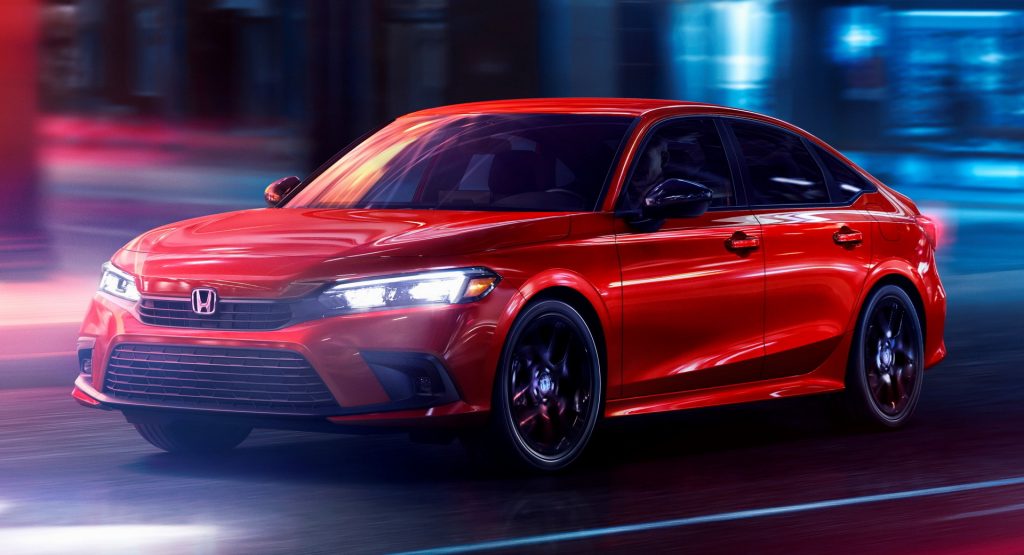
If you’ve come across the phrase “Tlc house meaning: A Comprehensive Guide to Classic Honda Vehicles”, you might wonder how these ideas connect. At first glance, “TLC” often refers to “tender loving care,” particularly when restoring classic vehicles. In the automotive community, this concept beautifully ties into the world of classic Honda cars, where enthusiasts devote time, passion, and attention to keeping these timeless models alive.
Classic Honda vehicles from the early Civic hatchbacks to legendary Accords and sporty CRXs are icons that showcase Japanese engineering, reliability, and sleek yet practical design. By bringing together the curious keyword “Tlc house meaning” with a focus on Honda classics, this guide offers a fresh look at the way TLC applies not only to homes, but also to the cherished wheelhouses of automotive history. This is more than just maintenance; it’s about legacy, care, and connection between owner and vehicle.
The Roots of TLC in Classic Honda Vehicles
At its core, the phrase Tlc house meaning: A Comprehensive Guide to Classic Honda Vehicles centers on the universal concept of care. Just as homes need regular upkeep, so too do vehicles—especially those with decades of history under their hood. For Honda enthusiasts, TLC means maintaining every detail, from the engine’s smooth hum to the preserved aesthetic of their original bodywork. By treating Hondas like a home, they create vehicles capable of lasting lifetimes.
Honda’s early classics, like the Civic of the 1970s and the Accord of the 1980s, were built to be dependable. Owners who invested TLC into these models kept them running well beyond their expected lifespans. Much like tending to a beloved house, Honda collectors see their cars not as disposable items, but as beloved structures needing patience, protection, and respect. This philosophy continues to be at the heart of the classic Honda scene today.
Iconic Classic Honda Models That Deserve TLC
When hearing Tlc house meaning: A Comprehensive Guide to Classic Honda Vehicles, it’s impossible not to think of the specific cars that embody Honda’s heritage. The Honda Civic (first through third generations) is one of the most prized classics, designed with efficiency and durability at a time when automakers were still learning the ropes of fuel-conscious manufacturing. With proper TLC, these Civics remain daily-drivers even in today’s modern car culture.
The Honda CRX of the 1980s and 1990s is another example. Compact, stylish, and incredibly fuel-efficient for its time, it represents how creative engineering can change the game. Owners treat CRXs almost like vintage houses worth restoring at all costs. Alongside the Accord, Prelude, and the sporty S2000 from the early 2000s, these models deserve careful attention because they encapsulate Honda’s innovative spirit and stand as milestones of automotive history.
Why TLC Matters for Classic Honda Preservation
Classic Hondas, much like classic homes, don’t survive on nostalgia alone. They require consistent upkeep to preserve performance, appearance, and reliability. For instance, giving your Accord or Civic regular oil changes, replacing belts, and protecting the chassis from rust ensures that these cars remain a joy to drive rather than a headache. In this sense, the philosophy behind Tlc house meaning: A Comprehensive Guide to Classic Honda Vehicles becomes clear caring for classics safeguards their future.
On top of mechanical reliability, TLC also ensures market value. Well-maintained Hondas are increasingly collectible, and enthusiasts are willing to pay premium prices for models that have been loved and preserved. Just like a home’s value skyrockets when cared for properly, a Honda Accord coupe from 1985 or a CRX Si with low mileage becomes a collector’s dream when TLC is consistently applied.
Styling and Customization With TLC in Mind
The phrase Tlc house meaning: A Comprehensive Guide to Classic Honda Vehicles also extends into how owners personalize their vehicles. Houses, after all, are often spruced up with new paint, fixtures, and landscaping. Likewise, Hondas receive custom paint jobs, retrofitted interiors, and even performance upgrades. The TLC shines not only in preservation but also in thoughtful customization.
That said, enthusiasts must balance creativity with authenticity. For example, restoring a classic Prelude to factory specifications often provides historical accuracy that collectors admire, while modest upgrades such as modern safety features or more fuel-efficient parts allow enthusiasts to enjoy daily driving. Whether keeping a Honda historically pure or creatively enhanced, TLC ensures the car feels like a true extension of its owner, much like a home reflects its inhabitants.
Practical Tips for Giving Your Honda TLC
Many car lovers reading Tlc house meaning: A Comprehensive Guide to Classic Honda Vehicles want to know how to apply these concepts practically. The first step is preventative maintenance—regular servicing, thorough inspections, and using only quality parts. Simple things like rotating tires, checking fluids, and storing your Honda in a safe, dry space can extend its life dramatically.
Beyond maintenance, owners can embrace detailing and preservation. Waxing bodywork, conditioning leather interiors, and keeping original parts whenever possible all add layers of care. Joining classic Honda clubs or forums also ensures access to knowledge and resources. Just as neighbors come together in a community to share tips about homes, Honda lovers form communities where wisdom about TLC becomes a shared experience, benefitting owners worldwide.
Conclusion
The curious phrase Tlc house meaning: A Comprehensive Guide to Classic Honda Vehicles serves as more than a quirky keyword it’s a philosophy of care. Just as homes thrive when given attention, so do classic Hondas. From the Civics that redefined efficient design to the CRXs and Preludes that captured imaginations, these vehicles deserve TLC not just for preservation, but also for the joy, pride, and cultural history they deliver.
Treating your Honda like a beloved house creates a legacy. By intertwining passion, time, and dedication, enthusiasts ensure that these icons continue to inspire new generations of drivers. Whether you’re restoring a vintage garage find or maintaining a family heirloom Accord, the TLC you give today guarantees timeless value tomorrow.
FAQs
1. What does “Tlc house meaning” have to do with classic Honda vehicles?
It relates to the philosophy of giving “tender loving care” to both homes and classic cars.
2. Why are classic Hondas worth restoring?
They are durable, collectible, and represent important moments in automotive history.
3. Which Honda models are considered classics today?
Notable classics include early Civics, Accords, CRX, Prelude, and the S2000.
4. How does TLC affect the value of classic Hondas?
Well-maintained vehicles often fetch higher resale and collector value.
5. Can I daily-drive a classic Honda with proper care?
Yes, with consistent maintenance, many enthusiasts drive them reliably every day.
6. What’s the biggest maintenance challenge for older Hondas?
Rust prevention and sourcing authentic replacement parts are common challenges.
7. Should I restore or customize a classic Honda?
It depends on your goals—restoration favors authenticity, customization adds personalization.
8. How can I find parts for vintage Honda models?
Join Honda forums, clubs, or check specialty suppliers for classic car parts.
9. Are classic Honda vehicles fuel efficient compared to today’s cars?
Many were ahead of their time in efficiency, though modern cars typically outperform them.
10. What community resources exist for learning Honda TLC?
Online forums, restoration clubs, and classic car meetups provide valuable connections and knowledge.
