
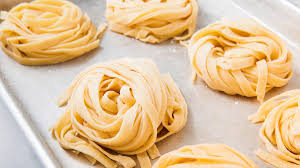
Are you, like me, tired of eating store-bought gluten-free pasta that often lacks flavor and protein? Don’t take it anymore! I’ll teach you how to make gluten-free pasta that’s super easy, and the result is a delicious and satisfying dish that anyone who eats it will say is soo yummy.
Why Try a Homemade Gluten Free Pasta Recipe?
The first reason to try a gluten free pasta recipe at home is quality control. Many packaged versions rely on stabilizers, starches, or additives to mimic wheat pasta’s bite, often resulting in bland or gummy textures. By preparing pasta in your own kitchen, you choose the flours, determine the ratios, and customize the recipe for both taste and nutrition.
Another reason is variety. Gluten-free flours open an exciting world of flavor possibilities that traditional wheat pasta doesn’t offer. From the nuttiness of almond flour to the earthy notes of buckwheat or the smoothness of rice flour, homemade recipes allow you to craft pasta that enhances not just replaces your favorite Italian dishes. Homemade pasta becomes a celebration of creativity and health in one beautiful plate.
Essential Ingredients for the Perfect Gluten Free Dough
A successful gluten free pasta recipe hinges on flour choice. Common blends include rice flour, tapioca starch, cornstarch, and potato flour. A premade all-purpose gluten-free flour blend is often a reliable shortcut, but you can also create your own custom mix for more distinct texture and flavor. Chickpea flour, for instance, adds protein and density, while sorghum flour gives a slightly sweet, wholesome touch.
Binding agents are equally important since gluten is absent. Eggs provide structure and elasticity, while xanthan gum or psyllium husk can be added to mimic gluten’s role in creating stretchy dough. Olive oil adds suppleness, preventing the dough from cracking. With the right combination of flours, binders, and fats, you’ll develop dough that rolls smoothly and cooks into tender yet firm pasta.
Step-by-Step Process: Making Your Gluten Free Pasta Recipe
Creating a homemade gluten free pasta recipe may feel intimidating, but with simple steps it becomes approachable. Begin by whisking together your flour blend with salt and any optional binding agents. Make a well in the center and crack in the eggs, then slowly incorporate the flour into the liquid using a fork or your hands. Add olive oil as needed to bring the dough together.
Once the dough forms, knead it gently until smooth. Unlike wheat dough, gluten-free dough doesn’t require long kneading for gluten development; instead, the goal is cohesion. Wrap the dough in plastic and let it rest for 30 minutes, allowing the flours to hydrate. After resting, roll the dough between sheets of parchment paper or with a pasta machine dusted with extra flour. Cut into desired shapes tagliatelle, fettuccine, or even ravioli—and cook briefly in boiling salted water until al dente.
Flavor Variations and Recipe Adaptations
One of the joys of making a gluten free pasta recipe is the opportunity to customize flavors. For a Mediterranean twist, incorporate fresh herbs like basil or parsley directly into the dough. For a heartier version, use chickpea or lentil flour, which boosts the pasta with plant-based protein. Veggie purées such as spinach, roasted beet, or pumpkin can also be blended into the dough for added nutrition and vibrant color.
If you’re catering to specific dietary needs, adaptations are easy. To create a vegan gluten-free pasta, swap out eggs for flaxseed “eggs” or aquafaba, combined with a bit of psyllium husk for binding. For low-carb versions, almond and coconut flours can be blended with tapioca for workable dough. These creative tweaks mean you can craft pasta that’s not only gluten-free but also aligned with your individual lifestyle or health goals
Serving Suggestions and Pairings
The beauty of any gluten free pasta recipe is how it pairs seamlessly with classic and modern sauces. A simple garlic and olive oil dressing enhances the pasta’s natural flavor, while a rich tomato-basil sauce brings comfort food vibes. Creamy Alfredo or dairy-free cashew cream sauces complement gluten-free pasta’s unique textures, while pesto adds brightness and freshness.
For complete meals, consider pairing the pasta with roasted vegetables, grilled chicken, or seafood like shrimp or salmon. Gluten-free pasta also works wonderfully in baked dishes such as lasagna or ziti, provided you use a sturdy dough. With endless possibilities, your homemade pasta becomes the foundation for both weeknight dinners and celebratory feasts.
Conclusion
Mastering a gluten free pasta recipe at home transforms mealtimes into something extraordinary. Instead of settling for store-bought alternatives, you gain the power to craft pasta your way—with better flavor, improved nutrition, and personalized creativity. From choosing the right flours to shaping and cooking delicate noodles, each step builds confidence and joy in the kitchen.
Whether you’re serving family, entertaining friends, or simply indulging in a bowl of comfort food, homemade gluten-free pasta adds an element of artistry to dining. With tools, tips, and variations at your fingertips, you’re ready to bring this versatile recipe to life anytime cravings strike
FAQs About Gluten Free Pasta Recipe
1. Can I make gluten free pasta without eggs?
Yes, substitute eggs with flaxseed “eggs,” aquafaba, or psyllium husk for vegan versions.
2. What flour works best for gluten free pasta?
Rice flour, tapioca starch, and chickpea flour are popular; blends often give the best results.
3. Do I need xanthan gum in gluten free pasta?
It helps bind the dough, but eggs or psyllium husk can also provide stability.
4. Why does my gluten free pasta fall apart when cooking?
The dough may lack binding agents or wasn’t allowed to rest long enough.
5. Can gluten free pasta dough be stored?
Yes. Wrap and refrigerate for up to 24 hours or freeze rolled, cut pasta for longer.
6. How long should gluten free pasta cook?
Usually 2–4 minutes in boiling salted water—much faster than wheat pasta.
7. Can I make stuffed pasta like ravioli gluten free?
Absolutely. Use a sturdy flour blend and ensure the dough is rolled thin but pliable.
8. Is gluten free pasta healthier than regular pasta?
It can be, depending on flours used—legume-based flours add protein and fiber.
9. Do I need special equipment to make gluten free pasta?
A pasta machine can help, but rolling pins and parchment paper also work fine.
10. Can I bake dishes with homemade gluten free pasta?
Yes, use in lasagna or casseroles—just slightly undercook before baking.
