
This fuss-free baked Lemon Salmon and Asparagus comes together in just 30 minutes on one sheet pan. Served with a simple creamy Basil Aioli, this restaurant-quality asparagus salmon recipe is ultra flavorful, nutritious, and beyond delicious making it the ideal easy weeknight fish dinner!
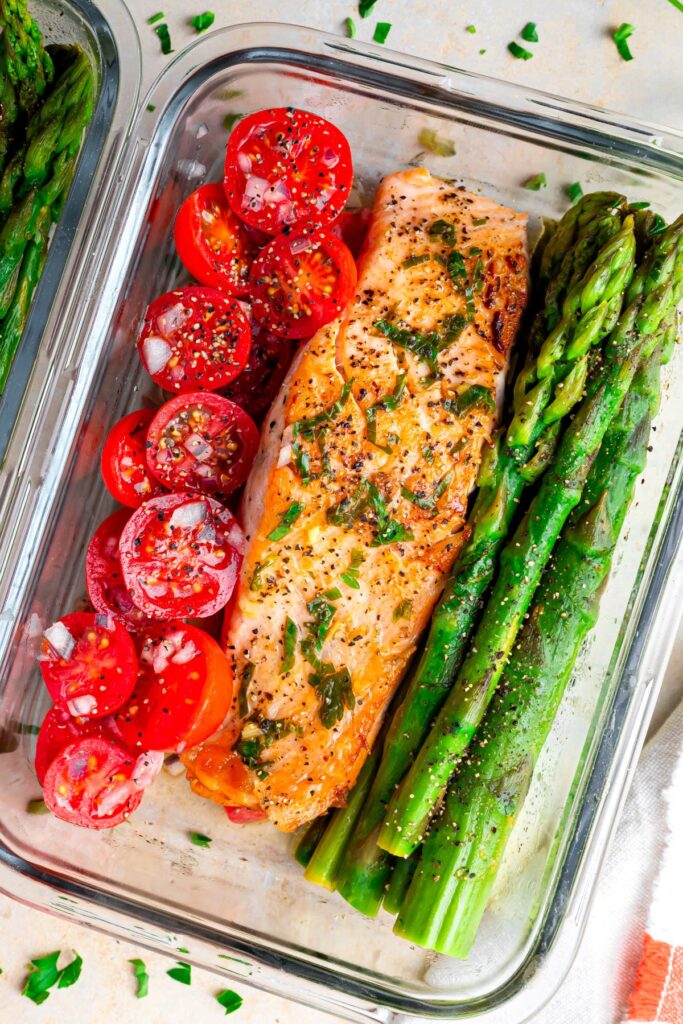
One of the things I love about this dish (besides its simplicity) is how easy it is to adapt to any need. If you want to make it keto (although this dish is already low-carb), try adding some avocado slices.
And, if you want to make this a balanced dish, try adding some quinoa on the side.Finally, I’ve left the best for last. This is a one-pan meal!That’s right. You only need one pan to create this recipe, meaning you don’t have to spend hours cleaning after cooking.
Key Ingredients That Make the Dish Shine
The secret to a perfect Salmon with Asparagus and Lemon Sauce is fresh, high-quality ingredients. Start with fresh salmon fillets; wild-caught salmon is often praised for superior flavor and nutritional profile, though farm-raised salmon works beautifully if sourced sustainably. For asparagus, choose stalks that are firm, bright green, and tender thinner spears generally roast more quickly and taste sweeter.When it comes to the lemon sauce, simplicity is key. Freshly squeezed lemon juice, butter, garlic, and a touch of cream or olive oil create a silky sauce that enhances each element without overpowering them. Herbs like dill, parsley, or thyme add an extra layer of freshness. With these simple yet powerful ingredients, this classic recipe transforms into a restaurant-quality dish.
Step-by-Step Preparation Guide
Making Salmon with Asparagus and Lemon Sauce can be broken down into three easy stages: roasting, steaming, or pan-searing salmon; preparing asparagus; and whisking the lemon sauce. Begin by seasoning your salmon with salt, pepper, and perhaps a drizzle of olive oil. Roast or sear until the fish flakes easily with a fork and develops a golden crust. Cooking times vary based on thickness but usually range between 12–15 minutes in the oven. For the asparagus, you can roast it alongside the salmon, sauté it quickly in olive oil, or even steam it for a lighter take. The goal is to keep it tender-crisp with a hint of char for extra flavor. While the proteins and vegetables cook, whip up the lemon sauce on the stovetop. Melt butter, sauté garlic for aroma, add lemon juice and zest, and finish with herbs. The sauce should be silky and bright, coating the salmon and asparagus without weighing them down.
Variations and Serving Suggestions
One of the beauties of Salmon with Asparagus and Lemon Sauce is its adaptability. For a low-carb dinner, serve the salmon and asparagus simply with the sauce. To create a heartier meal, pair them with quinoa, couscous, or wild rice. Creamy mashed potatoes also complement this dish beautifully, soaking up the lemony sauce and balancing the salmon’s richness Spice lovers can experiment by adding red chili flakes to the lemon sauce, while those who enjoy Mediterranean flavors might add capers or olives for briny depth. Another variation includes grilling the salmon for smoky notes or swapping asparagus for other vegetables like green beans or broccolini. With so many options, this dish never grows old.
Tips for Perfect Results and Leftover Storage
To achieve flawless Salmon with Asparagus and Lemon Sauce, pay attention to timing. Salmon is best when cooked just until done it should be juicy and tender, not dry. Using a meat thermometer helps: cook until the thickest part reaches 125–130°F for medium doneness. Always let salmon rest for a couple of minutes after cooking to lock in juices and allow flavors to settle.For storing leftovers, keep salmon and asparagus in separate airtight containers in the refrigerator. They’ll last for up to three days. Reheat gently in the oven or on the stovetop to avoid overcooking. Leftover salmon also makes a great addition to salads, wraps, or pasta dishes when paired again with a bit of lemon sauce. Planning ahead ensures no portion goes to waste.
Conclusion
In the end, Salmon with Asparagus and Lemon Sauce combines elegance, nutrition, and unforgettable flavor into one dish. It’s a recipe that speaks to the beauty of simple ingredients coming together with intention. The buttery salmon, crisp asparagus, and tangy lemon sauce are proof that healthy eating doesn’t mean sacrificing indulgence or flavor. Whether you’re cooking for family, friends, or just yourself, adding this dish to your culinary repertoire delivers a reliable and delicious option. With its versatility, nutritional value, and vibrant presentation, salmon with asparagus and lemon sauce is destined to become a favorite centerpiece on your dining table.
FAQs About Salmon with Asparagus and Lemon Sauce
1. What type of salmon is best for this dish?
Wild-caught salmon is preferred for superior flavor and nutrition, but sustainably farmed salmon works well, too.
2. How do I know when salmon is cooked perfectly?
It should flake easily with a fork and reach an internal temperature of 125–130°F for medium doneness.
3. Can I grill instead of roast the salmon?
Yes, grilling imparts a smoky flavor that pairs beautifully with asparagus and lemon sauce.
4. What can I substitute for asparagus?
Broccolini, green beans, or zucchini make great swaps while still pairing well with lemon sauce.
5. Is lemon sauce difficult to make?
Not at all—simple ingredients like lemon juice, butter, garlic, and herbs quickly create a fresh sauce.
6. Can I make this dish dairy-free?
Yes, replace butter with olive oil or vegan butter to keep it light and lactose-free.
7. What side dishes pair well with salmon and asparagus?
Wild rice, couscous, mashed potatoes, or quinoa complement the flavors beautifully.
8. How long can leftovers be stored?
Salmon and asparagus last up to three days in the fridge when stored in airtight containers.
9. Can I prepare the lemon sauce in advance?
Yes, make it ahead and refrigerate. Reheat gently before serving to maintain creaminess.
10. Is this a good recipe for meal prep?
Absolutely—it’s nutritious, reheats well, and keeps its flavor, making it perfect for weekly meal prep.
