
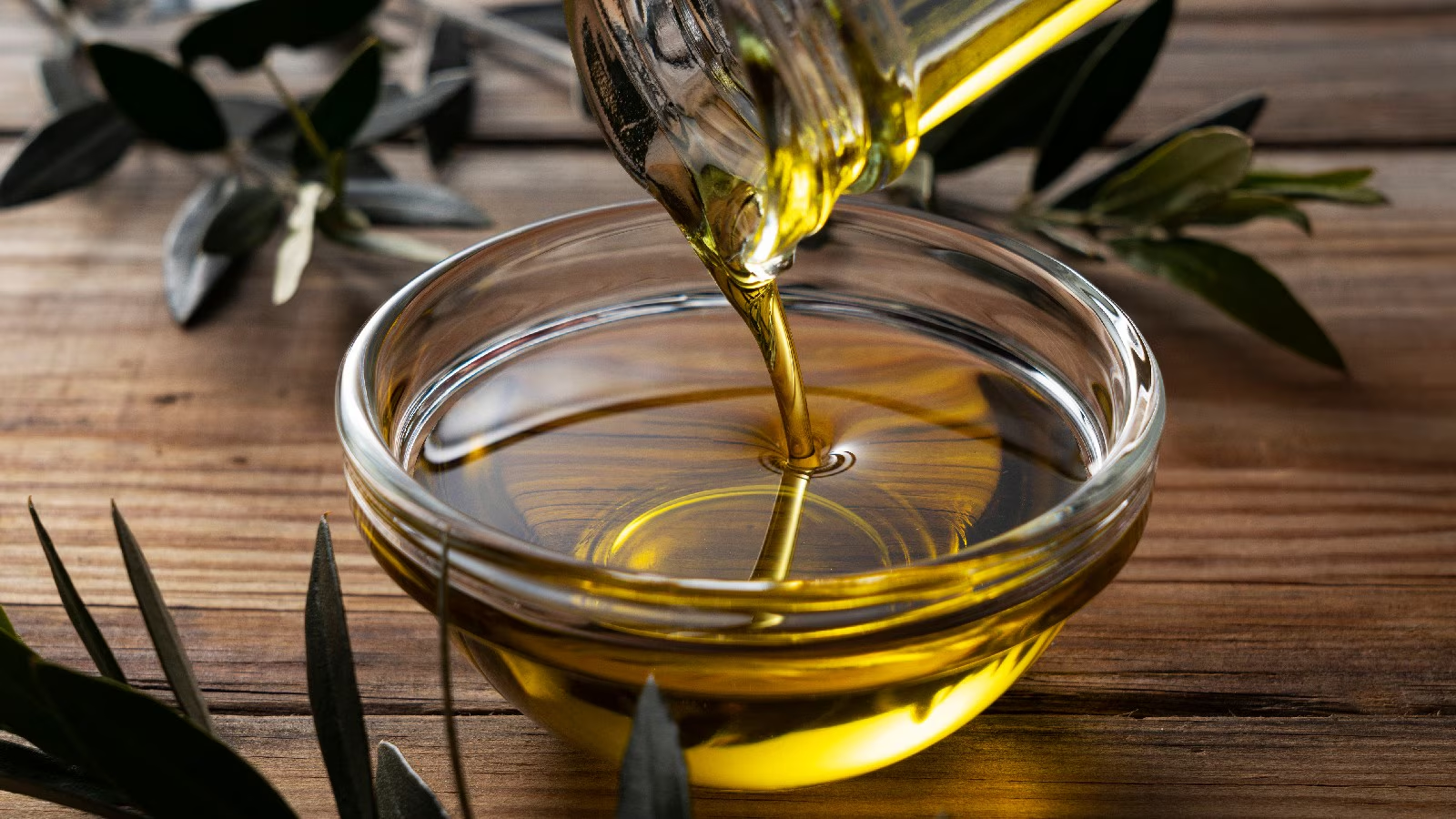
If there’s one ingredient that has stood the test of time in the world of nutrition, it’s olive oil. 5 Proven Health Benefits of Olive Oil highlight why this golden elixir is more than just a kitchen staple — it’s a powerful health-promoting food. For generations, olive oil has been the cornerstone of the Mediterranean diet, a way of eating celebrated for its role in boosting vitality, reducing chronic disease, and extending life expectancy. But what is it that makes olive oil so special?
Rich in antioxidants, healthy fats, and anti-inflammatory compounds, olive oil is one of the few foods that enjoys unanimous praise from nutritionists and doctors alike. Whether it’s drizzled over a fresh salad, used for light sautéing, or sipped as a wellness tonic, olive oil continues to prove its worth with scientifically backed health benefits. In this article, we’ll walk you through five proven health benefits of olive oil, showing you why this liquid gold truly deserves a permanent spot in your pantry.
1.Olive Oil Promotes Heart Health
Olive oil is best known for its ability to protect and strengthen the heart. Clinical research shows that extra virgin olive oil, in particular, is rich in monounsaturated fatty acids (MUFAs), which have been linked to reducing LDL cholesterol levels (the “bad” cholesterol) while supporting HDL cholesterol (the “good” cholesterol). These unique fatty acids help prevent the buildup of arterial plaque, lowering the risk of atherosclerosis and heart attacks. For this reason, cardiologists frequently recommend olive oil as a core part of a heart-friendly diet.
Another heart-protective quality of olive oil lies in its abundance of polyphenols, plant-based antioxidants that reduce oxidative stress in blood vessels. Oxidative damage is a key driver of cardiovascular disease. By combating this, olive oil not only helps improve circulation but also reduces inflammation in the arteries. This explains why populations that follow the Mediterranean diet — with olive oil as the main fat source — consistently show lower rates of heart disease compared to Western populations where processed oils dominate.
2. Olive Oil Reduces Inflammation Naturally
Chronic inflammation is the root cause of many modern health issues, including arthritis, diabetes, obesity, and even certain types of cancer. One of the most powerful 5 Proven Health Benefits of Olive Oil is its natural anti-inflammatory effect. This property is largely credited to oleocanthal, a unique antioxidant compound in extra virgin olive oil that works similarly to ibuprofen, easing pain and reducing joint inflammation.
Beyond pain relief, daily consumption of olive oil has been shown to reduce markers of systemic inflammation in the body. For instance, studies reveal that people who include olive oil in their diet have lower levels of C-reactive protein (CRP), an inflammation biomarker associated with chronic diseases. These findings make olive oil an effective, food-based solution for managing long-term inflammation without depending solely on pharmaceuticals.
3. Olive Oil Supports Brain Health and Cognitive Function
Our brains thrive on healthy fats — and olive oil provides just that. Rich in omega‑9 fatty acids and polyphenols, olive oil offers protective effects against neurological decline. Researchers have observed that diets with a high intake of extra virgin olive oil correlate with a reduced risk of neurodegenerative diseases, including Alzheimer’s and dementia. Its polyphenols reduce oxidative stress in brain cells, slowing down age‑related damage and preserving cognitive clarity.
Olive oil is also known to support better communication between brain cells by protecting the myelin sheath, the fatty layer that ensures efficient nerve signaling. The result? Enhanced memory, focus, and cognitive resilience. Regular olive oil consumption not only keeps the brain sharp but also reduces symptoms of mild cognitive impairment, making it an invaluable addition to any diet aimed at long-term mental wellness.
4. Olive Oil Aids in Weight Management and Metabolism
Some people avoid oils for fear of weight gain, but olive oil is an exception. Despite being calorie-dense, olive oil is actually linked with weight management and optimal metabolism. Its healthy monounsaturated fats help regulate blood sugar levels and keep you feeling full for longer periods, which naturally reduces cravings and overeating. This satiety effect is one reason the Mediterranean diet, despite being rich in fats, is associated with leaner body compositions.
Moreover, olive oil has been shown to enhance metabolic function. Research suggests that the phenolic compounds in olive oil may help stimulate fat oxidation and improve insulin sensitivity. These properties make olive oil a smart dietary choice for those managing weight or tackling metabolic issues like prediabetes. When paired with nutrient-dense meals, olive oil doesn’t just add flavor — it transforms meals into metabolism-friendly fuel.
5. Olive Oil Boosts Skin Health and Longevity
The beauty benefits of olive oil are just as compelling as its internal health advantages. Packed with vitamin E, squalene, and powerful antioxidants, olive oil nourishes skin cells from within, resulting in a radiant and youthful appearance. Regular consumption supports skin hydration, elasticity, and resilience against wrinkles. The anti-inflammatory properties also help calm breakouts and irritation, underscoring its role in promoting clear and balanced skin.
But the benefits go deeper. Olive oil’s antioxidants also act at the cellular level to delay premature aging by combating free radical damage. This is one of the reasons populations with high olive oil intake tend to enjoy not only longer lifespans but also healthier aging. When combined with a diet rich in fresh produce, seafood, and whole grains, olive oil contributes to a “longevity lifestyle” that enhances quality of life well into older age.
Conclusion
From protecting the heart to improving brain function, reducing inflammation, boosting metabolism, and enhancing skin health, the 5 Proven Health Benefits of Olive Oil make it clear why this golden liquid holds a revered place in global cuisine and wellness traditions. Science continues to validate what ancient civilizations already knew — olive oil is more than food; it’s medicine for the body and mind. Incorporating high-quality extra virgin olive oil into your daily meals is a simple yet powerful step you can take to safeguard your long-term health.
When choosing olive oil, always look for cold-pressed, extra virgin varieties for maximum nutritional value. Treat it as both an ingredient and an investment in your overall well-being.
10 Frequently Asked Questions (FAQs)
1. What is the healthiest type of olive oil?
Extra virgin olive oil is considered the healthiest as it undergoes the least processing and retains the highest level of antioxidants and nutrients.
2. Can I cook with olive oil?
Yes, olive oil is suitable for cooking at medium heat. For high-heat cooking, choose light olive oil, which has a higher smoke point.
3. How much olive oil should I consume daily?
Experts recommend about 1–2 tablespoons per day to enjoy its health benefits without excessive calories.
4. Is olive oil good for weight loss?
Yes, when consumed in moderation, olive oil can promote satiety and support fat metabolism, aiding in weight management.
5. Does olive oil help with arthritis pain?
Thanks to oleocanthal, olive oil may help reduce inflammation and provide natural relief from arthritis symptoms.
6. Can olive oil improve cholesterol levels?
Yes, olive oil lowers LDL cholesterol and raises HDL cholesterol, helping to improve overall cardiovascular health.
7. Is olive oil safe for people with diabetes?
Absolutely. Olive oil helps stabilize blood sugar levels and boost insulin sensitivity, making it diabetes-friendly.
8. Does olive oil expire?
Yes, olive oil usually lasts 18–24 months. To keep it fresh, store it in a cool, dark place away from direct heat and light.
9. Can olive oil be applied to the skin directly?
Yes, olive oil can moisturize the skin, prevent dryness, and provide antioxidant protection when used topically.
10. Is olive oil part of the Mediterranean diet?
Yes, olive oil is a central component of the Mediterranean diet, which is widely recognized for its numerous health benefits and contribution to longevity.
